Read in English / 阅读语言  ไทย
ไทย  简体中文
简体中文
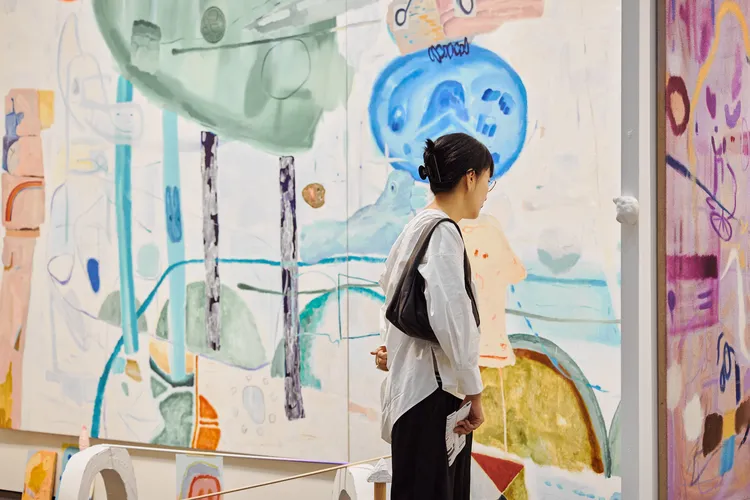
Seoul, the New Capital of Art
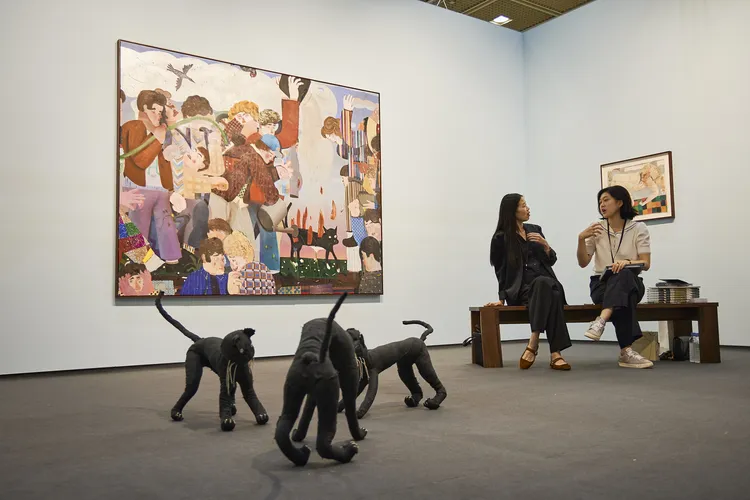
Seoul’s trajectory toward becoming a “city of art” has been visible since 2022, when early structural signals began to emerge—expanded museum infrastructure, a rapidly maturing collecting market, and the deliberate projection of soft power through Korea’s entertainment industry (see the 2022 article here).
Three years on, those indicators are no longer speculative. During Seoul Art Week 2025 (1–7 September), the capital presented an unprecedented convergence of global culture. Museums, commercial galleries, and newly established art spaces collectively reinforced a single proposition: Seoul is positioning itself, with growing credibility, as Asia’s emerging art hub.
Frieze & Kiaf: Consolidating Asia’s Art Market Hub
Frieze Seoul 2025 showed the clearest indication yet of the city’s ambitions. In its official communiqué, the fair declared itself “Asia’s New Art Hub.” The phrase was not mere promotional flourish but a pointed signal to the region, underpinned by the confidence accumulated over four consecutive editions since its 2022 debut.
Attendance figures reinforced the claim: Frieze Seoul drew an estimated 70,000 visitors, while its parallel fair Kiaf, despite running only one additional day, attracted more than 82,000. Beyond the numbers, the programming itself revealed a discernible recalibration, with a greater share of galleries foregrounding Korean artists rather than relying predominantly on Western or international names—a shift that expands the global visibility of domestic talent (source: The Chosun Daily).
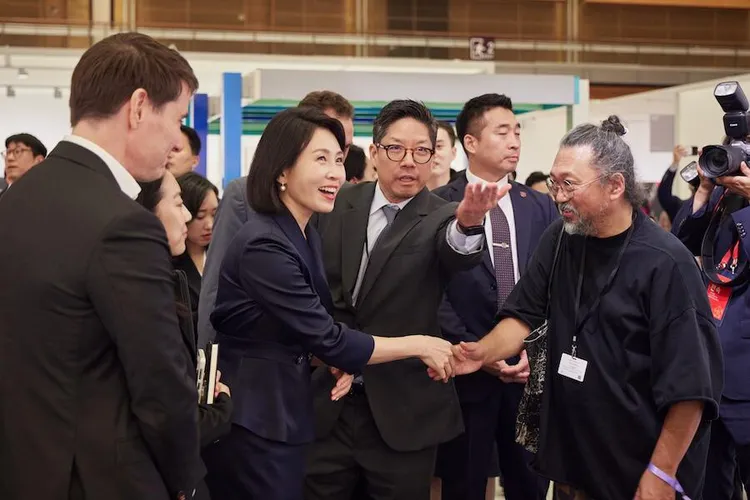
Symbolism carried equal weight. The highly publicized encounter between South Korea’s First Lady, Frieze Seoul director Patrick Lee, and Takashi Murakami encapsulated the alignment of state, market leadership, and international artistry—an image designed to project Seoul’s growing authority as an art capital.
The Art Economy: Numbers and a Landmark Deal
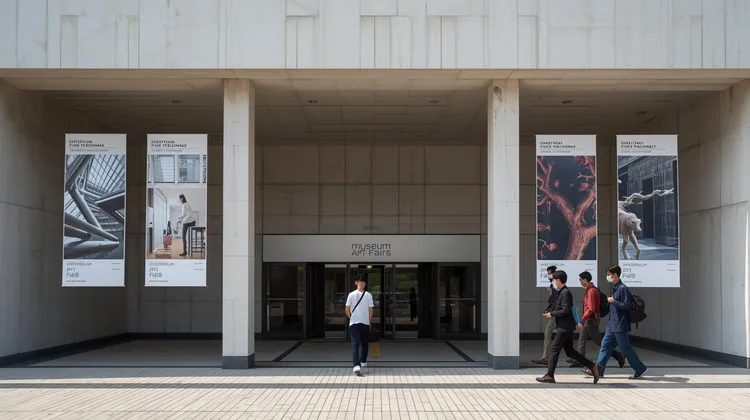
Visitor totals were comparable to last year, yet the economic signal this season was impossible to miss. Hauser & Wirth placed Mark Bradford’s new triptych “Okay, then I apologize” (2025) with an undisclosed Asian collector for USD 4.5 million—setting a single-work high for Frieze Seoul (yes, a three-panel painting, but one lot nonetheless).
Beyond a fair record, the sale telegraphed a broader message: Seoul is not only a stage for spectacle or tech-inflected culture; it is a market with genuine gravitational pull for top-tier collectors—a strategic theater for global galleries and buyers alike.
Seoul Art Week: From World-Class Exhibitions to Cultural Commerce
Seen in full, Seoul Art Week 2025 extended far beyond Frieze and Kiaf’s halls: the entire city functioned as a multi-layered cultural field, spanning international headliners, leading Korean artists, and inventive art-commerce hybrids.
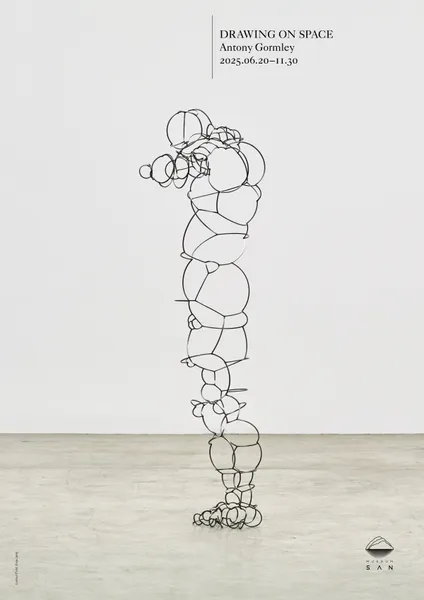
Antony Gormley presented a two-part exhibition in Seoul—“Inextricable” split between Thaddaeus Ropac and White Cube—alongside “Drawing on Space” at Museum SAN in Wonju. The projects staged an intense dialogue between body, architecture, and the modern metropolis—apt for a megacity emblematic of how more than half the world now lives.
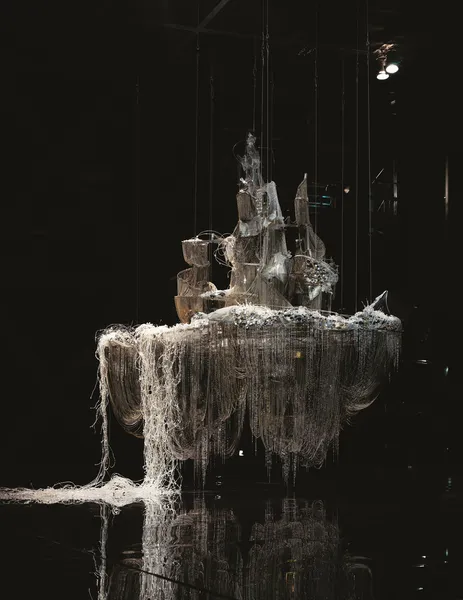
Lee Bul, among the most influential Korean artists in contemporary art, unfolded nearly 150 works at Leeum Museum of Art—an almost three-decade survey from the breakthrough Cyborg and Anagram series to recent pieces that probe the body, ideals, and imperfect utopias. Preview here.
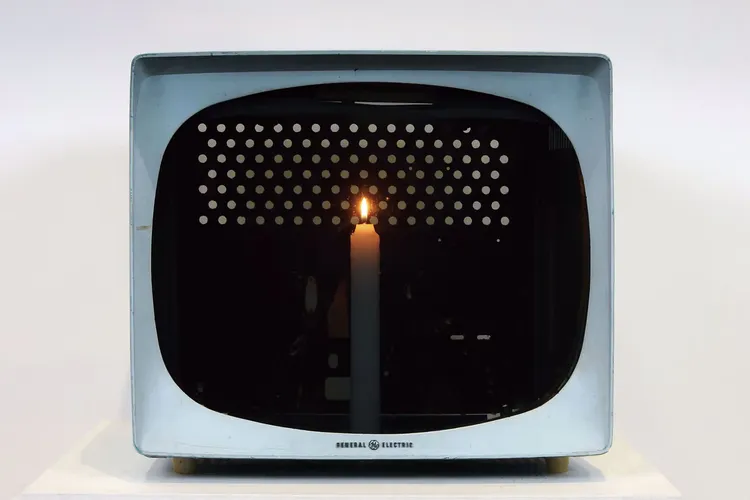
Meanwhile, the legendary video-art pioneer Nam June Paik was honored in “The City of Nam June Paik: The Sea Fused with The Sun” at the Nam June Paik Art Center in Yongin, where four contemporary artists extended his thinking into the digital present—bridging media history and its futures.
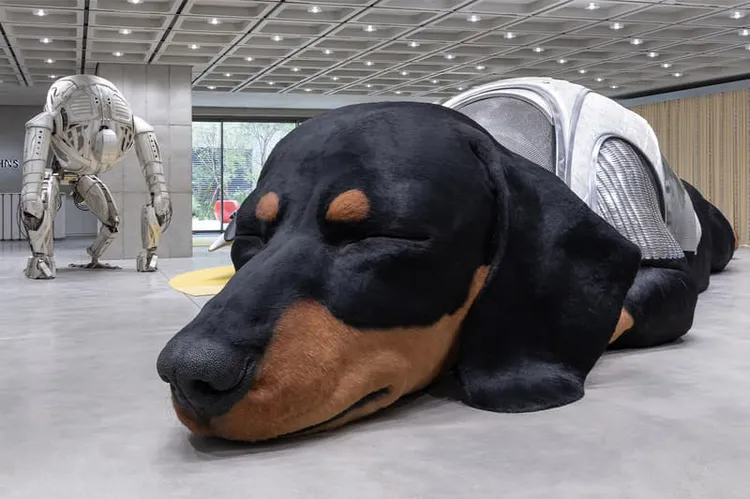
Beyond museums, the “city of art” ambience was amplified by the opening of Haus Nowhere Seoul, a much-talked-about conceptual retail space that first drew acclaim overseas. Read the launch story here.
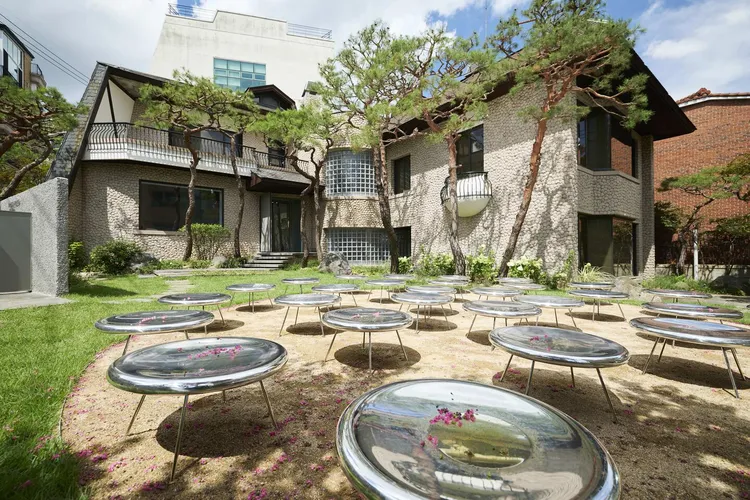
A major talking point was the debut of Frieze House Seoul—the first permanent Frieze venue in Asia—located in Yaksu-dong. The four-storey building, renovated by Samuso Hyoja and anchored by a garden featuring site-specific works by Japan’s SANAA, will host year-round exhibitions, residencies, and special projects—keeping the city’s cultural cadence alive beyond the fair calendar and serving as Frieze’s Asian base.
Soft Power Meets the “City of Art”
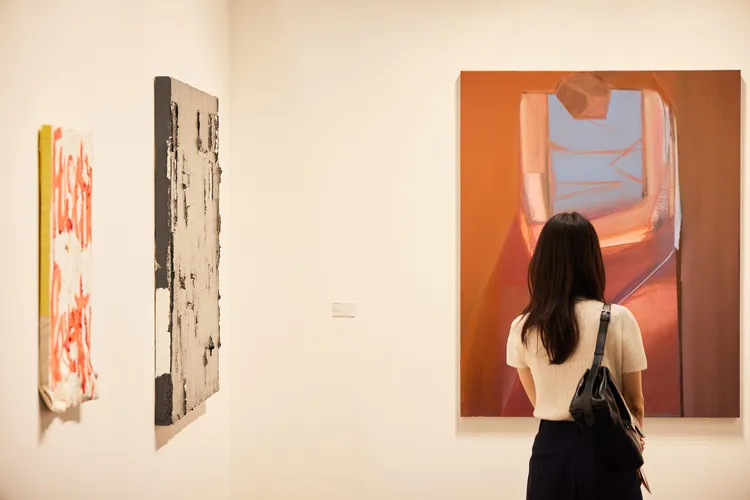
Seoul’s ascent is no accident. It rests on a long-laid plan to mobilize soft power. With K-pop and screen culture already founded it ground, that influence has been deliberately redeployed to endorse contemporary art.
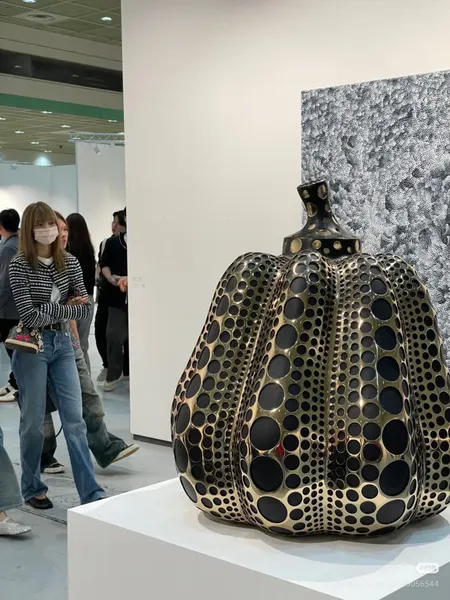
On September 1, 2025, ahead of Frieze Seoul’s opening on September 7 2025, the “Paradise Art Night” at Paradise City, Incheon, convened film and music stars alongside major artists—from Takashi Murakami to members of Blackpink and BTS—placing pop culture within an art ecosystem. Likewise, Frieze Seoul’s 2022 debut featured Squid Game’s Lee Jung-jae opening the fair as a serious art collector—another early sign of this strategic fusion.
During fair week, Lalisa Manobal (Lisa, Blackpink) toured Frieze Seoul 2025 and spoke with Thai artist Gongkan (Kantapon Metheekul), underscoring how entertainment and contemporary art now move are orchestrated.
Toward a Lasting “City of Art”: Ecosystems, Galleries, Artists, and Sustainable Growth
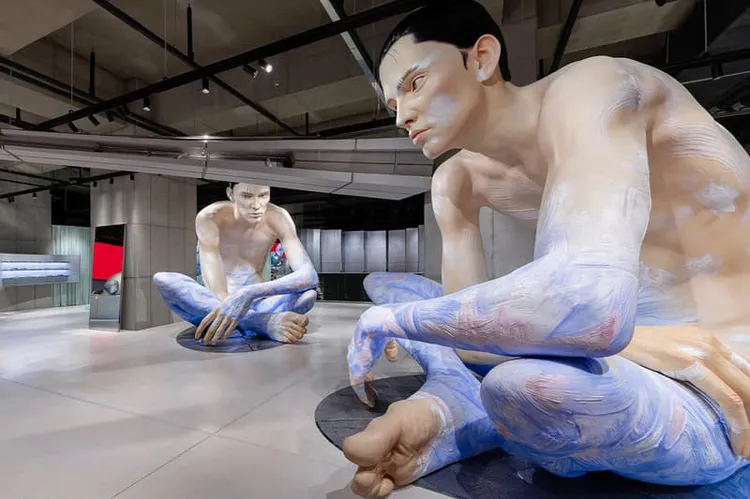
The real question for 2026 is not how many visitors Seoul can draw or how many record-breaking sales it can claim. It is whether the city can endure. Can Seoul hold its momentum as Asia’s new capital of arts amid fierce regional competition and rapid global change?
International galleries opening Seoul outposts, the swelling halo of soft power, and rising investment across sectors are all reinforcing the city’s ecosystem, materially and symbolically. Local artists are now exhibited alongside blue-chip names, and their growing presence hints at future impact on the world’s leading auction houses. For audiences, Seoul offers more than spectacle—it promises a continual exchange of ideas with the wider world, the very lifeblood of an art capital.
Only countries that recognize the magnitude know: turning a city into an art capital is not branding, but a costly race for global influence. In Asia, China, Japan, Hong Kong, and Singapore remain formidable rivals, while the global art market faces economic headwinds and technological disruption. If Seoul is to hold its line, it must balance permanent infrastructure investment (without letting projects wither), cultivate new generations of artists, and integrate its already-strong soft power—an art-world translation of sustainability.
So, is Seoul already Asia’s new capital of arts?
Not yet,
But the city is moving steadily, and convincingly, toward that position.
Story: Tae Art Man
