Read in English / 阅读语言  ไทย
 简体中文
 日本語
London’s National Gallery plans to build a collection of 20th- and 21st-century paintings under its 2026–2036 strategy, extending its account of painting from early figures such as Giotto to artists working today. The shift expands its collecting remit, exhibition space and conservation requirements.
The strategy is linked to Project Domani, a £750 million transformation, approximately US$990 million, announced in September 2025. The earlier project announcement should be distinguished from the detail of the ten-year strategy now attracting attention.
A broader collection centred on painting
The strategy and its full document set out plans to develop the collection through purchases, loans, gifts and bequests, bringing previously unrepresented painters, styles and movements into its displays.
The Gallery intends to broaden representation across chronology, gender, heritage and geography. These are stated ambitions, rather than outcomes already secured. Painting in the Western tradition remains central; the expansion does not in itself turn the institution into an all-media contemporary art museum.
A building, a collection and long-term funding
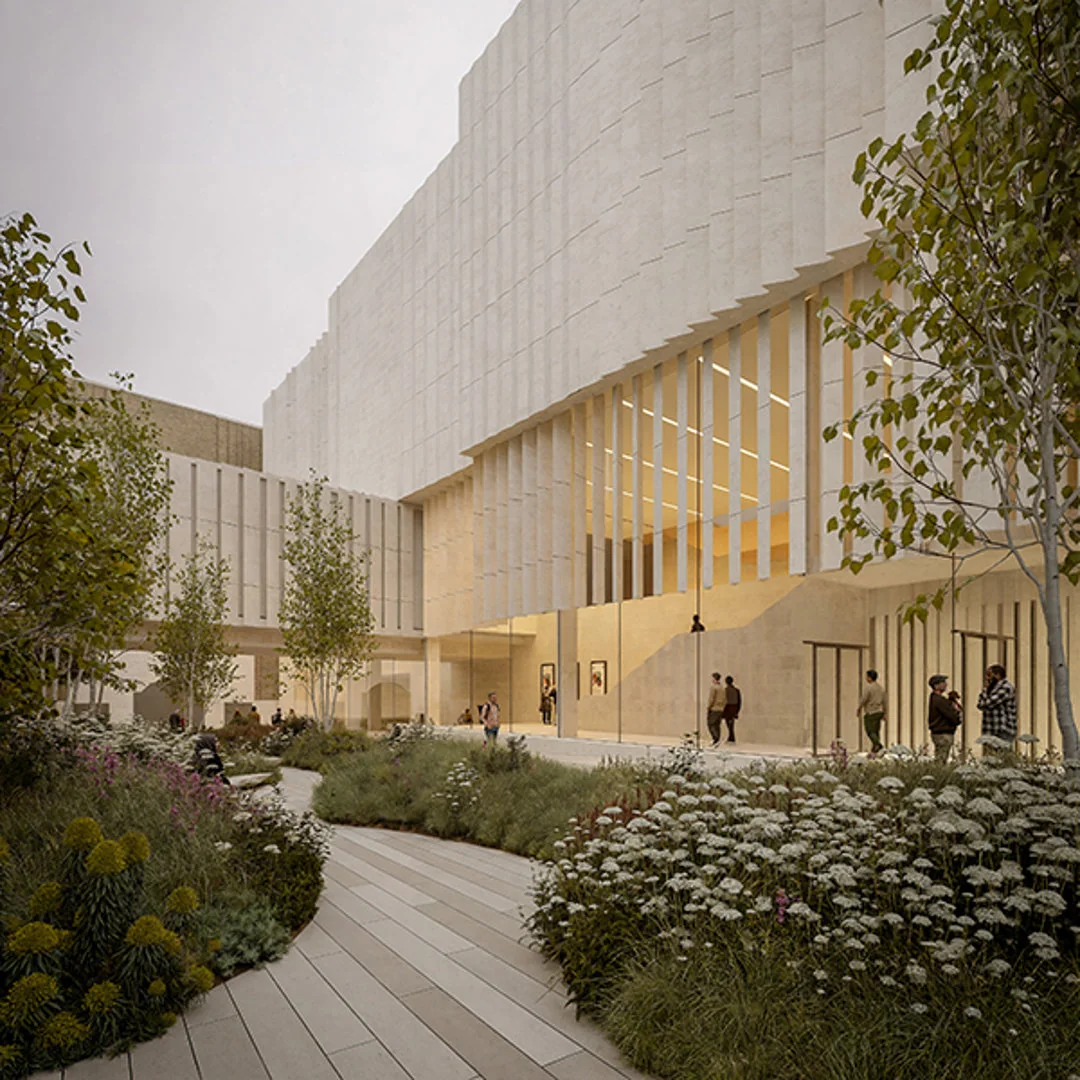
According to the project information, Domani combines collection expansion, a new wing and an endowment supporting acquisitions, programming and scholarship. Kengo Kuma and Associates is designing the wing with BDP and MICA, with the strategy envisaging an opening in the early 2030s.
The proposed site is St Vincent House, between Trafalgar Square and Leicester Square, acquired almost 30 years ago for future expansion. The project also includes public spaces connecting the development with the existing Gallery.
The Gallery reports £375 million in philanthropic commitments, half the project’s value. This includes £150 million each from Crankstart and the Julia Rausing Trust, and a further £75 million from John Booth, the National Gallery Trust and other donors. These are funding commitments, not a statement that the full project budget has already been spent.
The resources behind a new account of painting
The strategy acknowledges that an expanded collection will require additional conservation knowledge and skills. It also plans a new research centre in 2028 and collaboration with sister institutions, donors and artists’ estates to develop the collection.
The Gallery expects to continue receiving UK government support while strengthening its finances through National Gallery Global’s commercial activities, a broader philanthropic base and an endowment. The expansion is therefore both a curatorial undertaking and a long-term commitment to acquire, care for and present works to the public.
The next questions concern which artists and paintings are selected, how cooperation with other institutions develops and how resources support the broader remit.
Story: Tae Art Man
