Read in English / 阅读语言  ไทย
 简体中文
“Wynn – Garden of Earthly Delights,” presented at the luxurious Wynn Palace, was among the highlights of Art Macao 2019, the international art festival held for the first time in Macau. Its principal programme ran from June to October 2019, with some activities beginning earlier. According to the organisers’ final report, the inaugural edition brought together 41 activities across 55 venues throughout Macau.
In this review, I take you inside Wynn Palace to explore a selection of artworks that approach contemporary art through remarkably different techniques and materials. Each offers a distinct way of experiencing the exhibition.
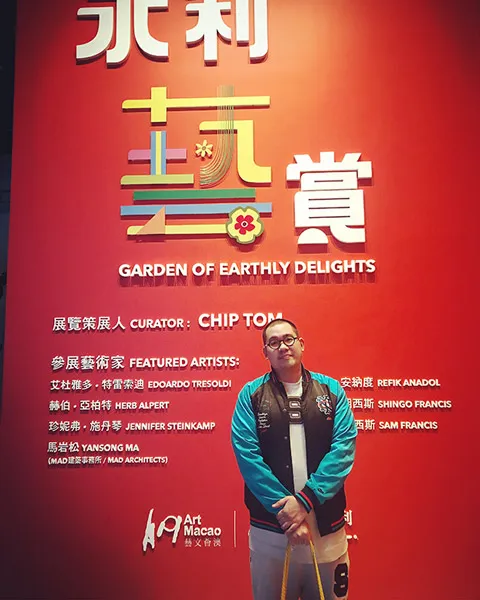
Inspired by a Painting from 500 Years Ago
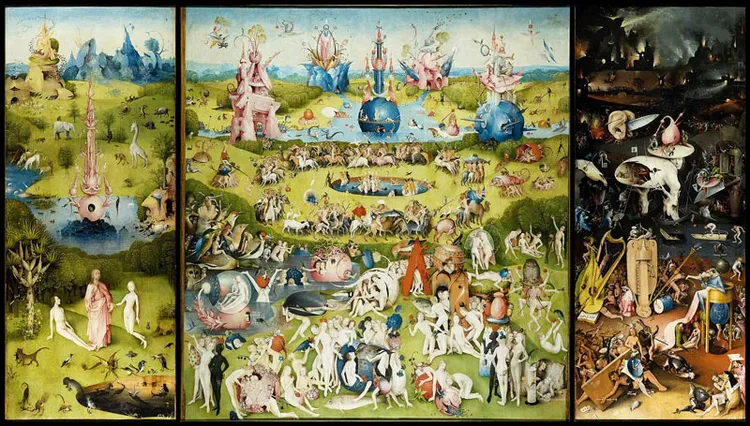
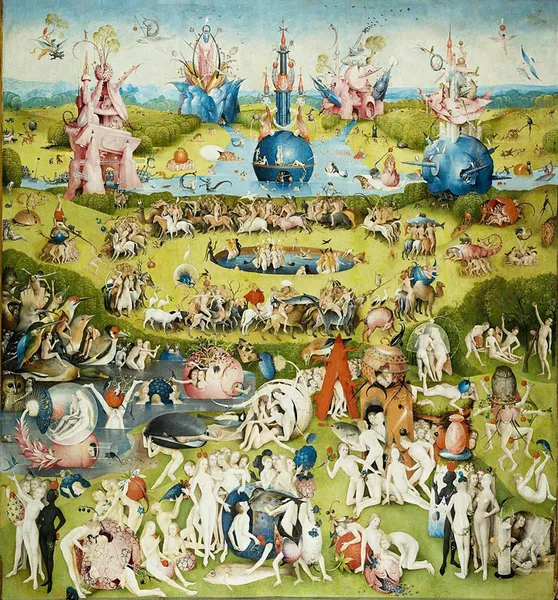
The exhibition “Wynn – Garden of Earthly Delights” takes its name from the celebrated painting by Hieronymus Bosch, a Netherlandish artist of the Northern Renaissance. Believed to have been created between 1490 and 1500, the work is a triptych depicting paradise, earthly life and hell. On the left, the Garden of Eden presents God alongside Adam and Eve, the first human couple. The right panel portrays humanity’s torment amid the consequences of unchecked desire. The central panel, the composition’s most elaborate scene, opens onto an expansive garden filled with pools and fountains, where groups of naked figures gather in various poses among animals and an extraordinary natural landscape. What interests me most is how the landscapes of the left and central panels seem to connect, particularly through their continuous horizon. By contrast, the darker palette and unsettling atmosphere of the hellscape on the right establish a striking visual rupture. Could Bosch be suggesting that paradise and the earthly world are not necessarily separate places, but that human greed and desire can turn one into the other? Perhaps the kind of world each person inhabits depends, at least in part, on the pursuit of pleasure and the ability to recognise when enough is enough. This is one of the questions the painting raises for me.
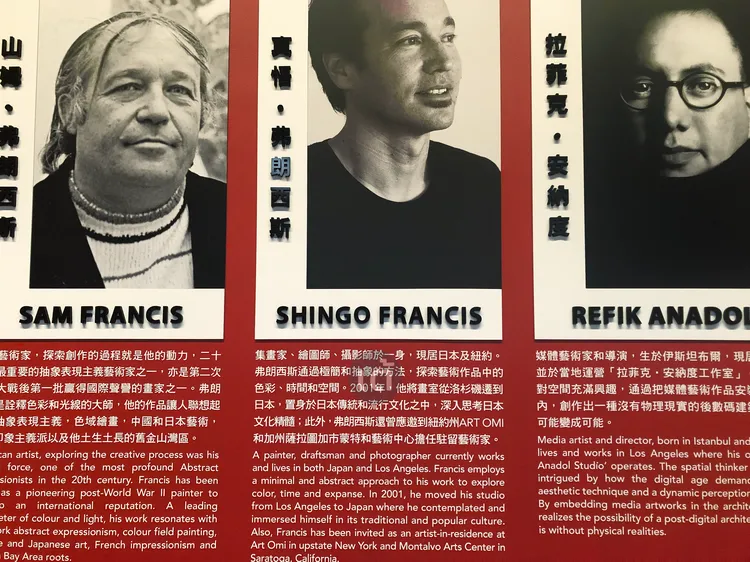
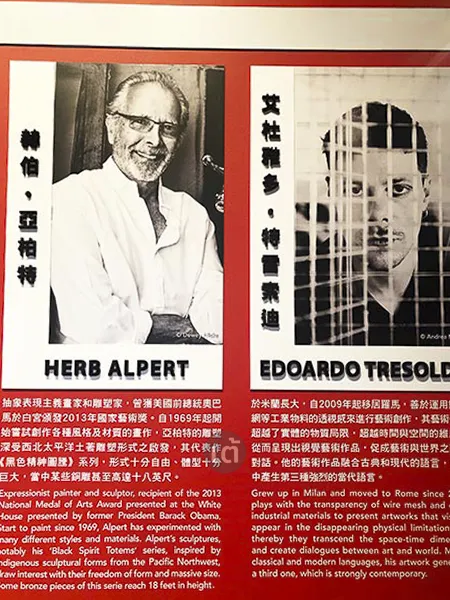
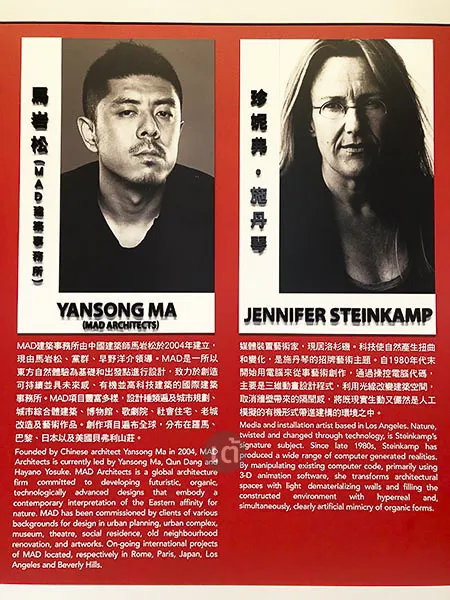
With that in mind, it is perhaps unsurprising that many works in the exhibition explore the idea of “space.” Even the paintings invite us to consider the empty areas within their compositions. Curator Chip Tom brought together works by eight artists and architectural practices with widely differing approaches: Herb Alpert, Robert Indiana, MAD Architects (Ma Yansong), Refik Anadol, Jennifer Steinkamp, Sam Francis, Shingo Francis and Edoardo Tresoldi. The exhibition extended across both Wynn Macau and Wynn Palace. Robert Indiana’s ‘The American LOVE’ was displayed at Wynn Macau, while this review focuses on works by the other seven artists and practices that I encountered in person at Wynn Palace.
From a Renaissance Vision to Contemporary Art in Macau
So how did these artists respond to the ideas associated with Bosch’s ‘The Garden of Earthly Delights’ in the context of contemporary art in Macau? Let’s take a closer look.
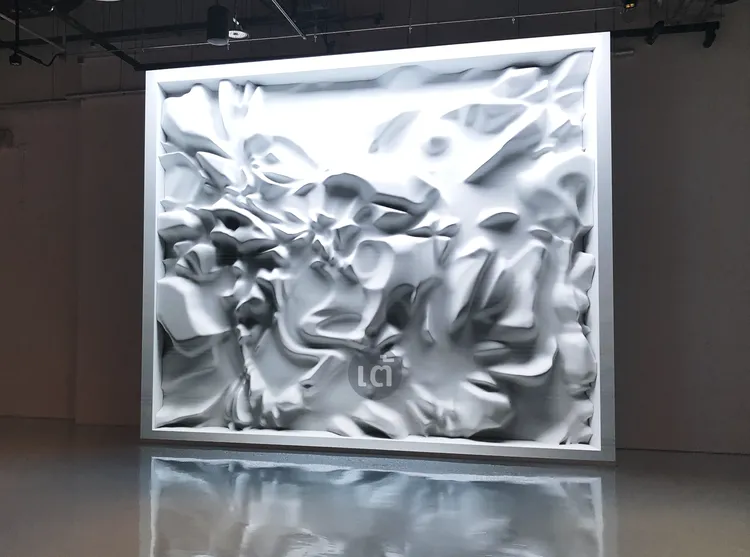
Upon entering the exhibition, visitors are greeted by video art from Refik Anadol, an artist known for transforming data into visual experiences and who previously taught at the University of California, Los Angeles. His ocean-blue work ‘Macau Currents: Data Paintings’ draws on information about the movement of the sea surface around Macau, recorded every 30 minutes over a 30-day period using high-frequency radar. The data was then processed through data science and machine learning to produce a mesmerising moving image. Beside it is ‘Melting Memories,’ for which Anadol used information collected through electroencephalography (EEG), a method of recording electrical activity in the brain, to explore how data might give visual form to otherwise invisible mental processes. The following video offers a closer look at these two data-driven works and the ideas behind them.
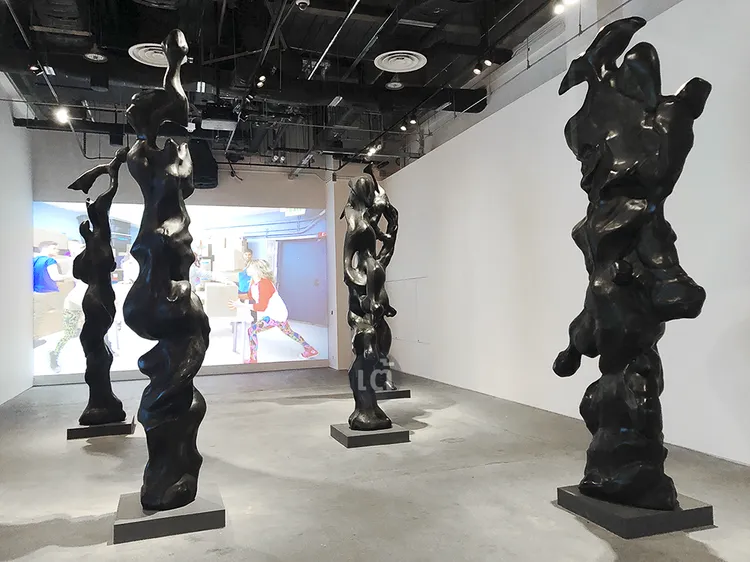
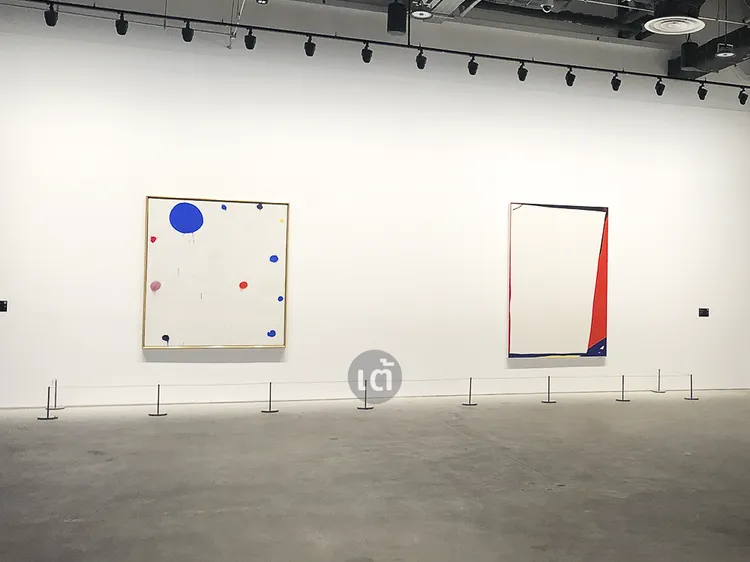
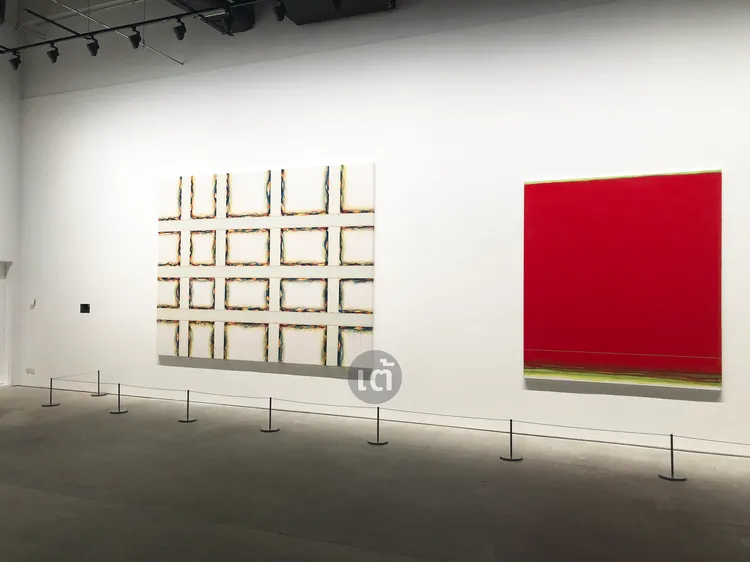
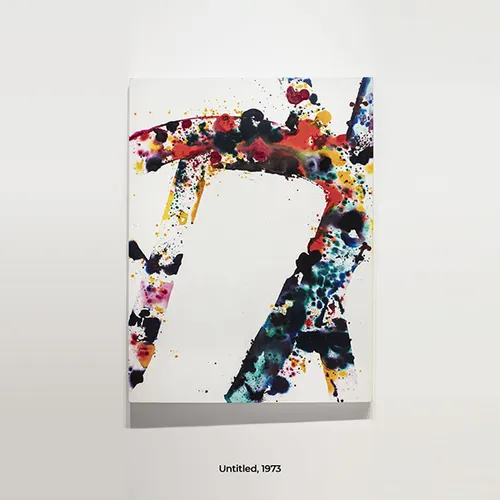
Beyond Alpert’s sculptural garden is a display of paintings by father and son Sam and Shingo Francis. Sam Francis (1923–1994), a major figure associated with Abstract Expressionism, developed an abstract visual language in which colour and the spaces between painted forms play equally important roles. Four of his works were shown here, encouraging visitors to consider the distribution of space across each canvas. His son Shingo Francis presented two paintings, including ‘Matrix,’ conceived as a dialogue with his father’s ‘Untitled 1978.’ Although the works were displayed close to one another, their creation dates were separated by roughly four decades. The juxtaposition brought the two artists’ different approaches to pictorial space into direct conversation.
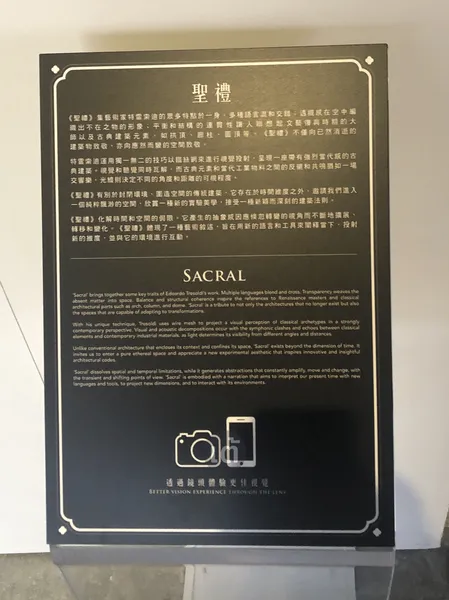
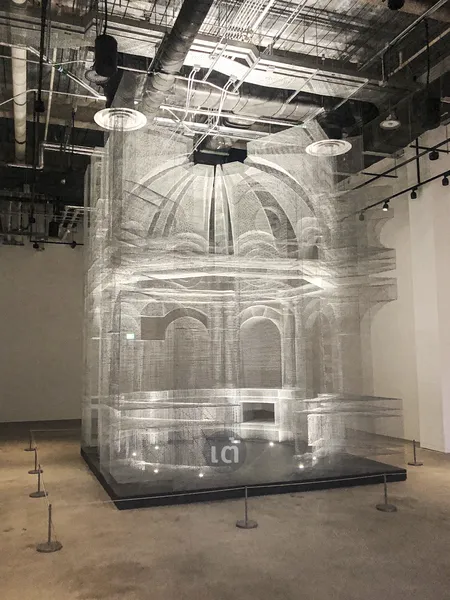
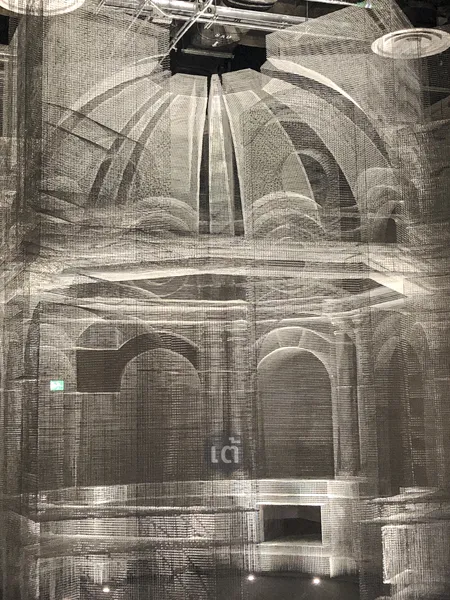
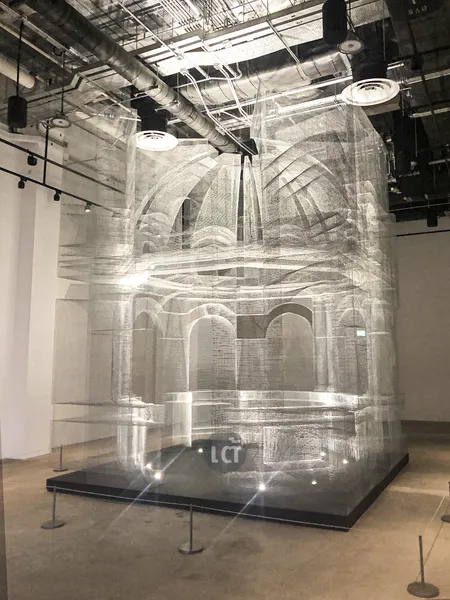
The work was ‘Sacral’ by Edoardo Tresoldi, a structure made from interconnected wire mesh that evokes Renaissance architecture. Its arches, classical columns and dome suggest a building whose physical mass has almost disappeared. Viewed with the naked eye, I found its depth and finer architectural details surprisingly difficult to distinguish. Yet when I looked through my phone’s camera, the structure became much clearer. The lighting added another dimension to the experience: walking around the work revealed changing relationships between its overlapping planes. ‘Sacral’ offers an intriguing contemporary reinterpretation of architectural forms developed centuries ago, inviting viewers to reconsider how they perceive space.
The final room featured ‘Silence Dogood’ by Jennifer Steinkamp, an animated artwork projected onto the gallery walls. The piece draws inspiration from Benjamin Franklin’s investigations into electricity. Its title refers to Silence Dogood, the pseudonym Franklin used as a young writer. The animation evokes tiny ice particles colliding and rubbing against one another within clouds, processes associated with the build-up of electrical charge that can eventually lead to lightning. The particles and flashes of lightning seen in the animation were drawn by hand, bringing an unexpected human element to this digitally projected environment.
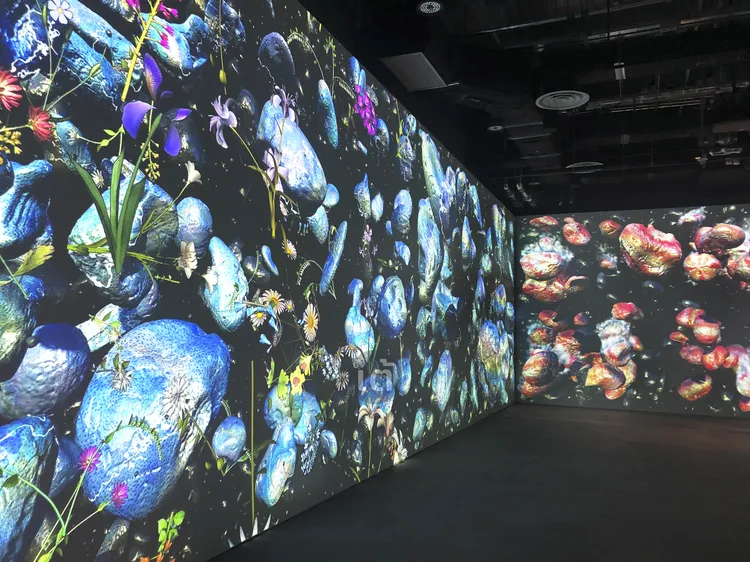
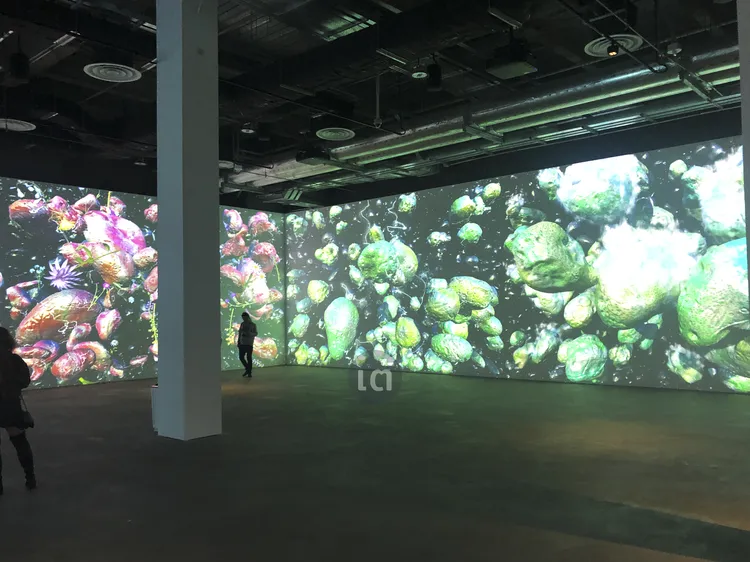
Steinkamp had previously presented another moving-image installation, ‘Winter Fountains for the Parkway,’ at Benjamin Franklin Parkway in Philadelphia, United States, between 2017 and 2018. That project used 16 projectors to cast imagery onto semi-dome structures nearly four metres tall. In Macau, by contrast, the work was projected across walls arranged in a U-shaped configuration. The video below gives a sense of the installation and its visual effect.
At the end of the gallery route, I stepped outside into an area covered with three-dimensional graffiti across the ground and walls. There was also an interactive sculpture inspired by the Chinese character 愛 (ài), meaning “love.” At its centre stood a heart-shaped structure filled with drinking straws. Visitors could take a straw and insert it into holes in an acrylic panel resembling a honeycomb. The work appeared to engage with environmental awareness, but the large number of straws also raised a question for me: what would happen to these materials after the exhibition? When I asked a staff member, I was told that the work would later be displayed in other locations around the hotel.
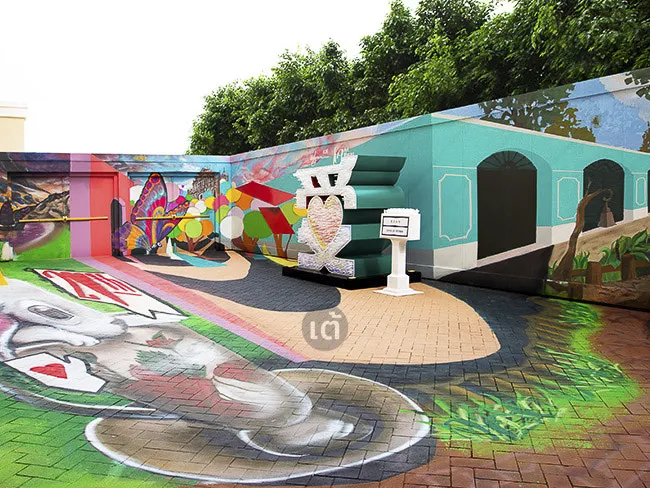
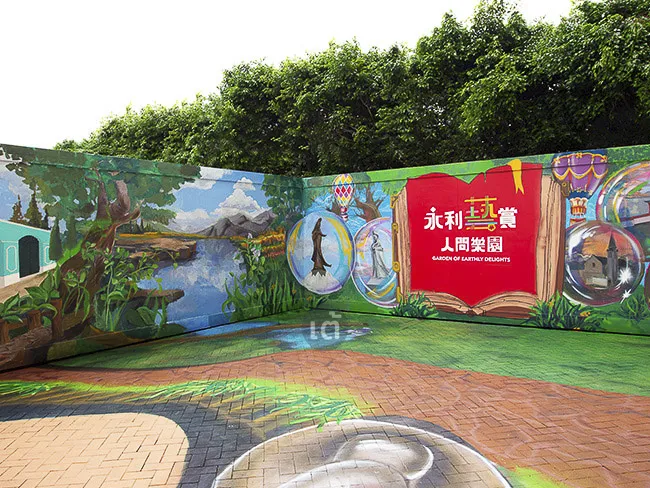
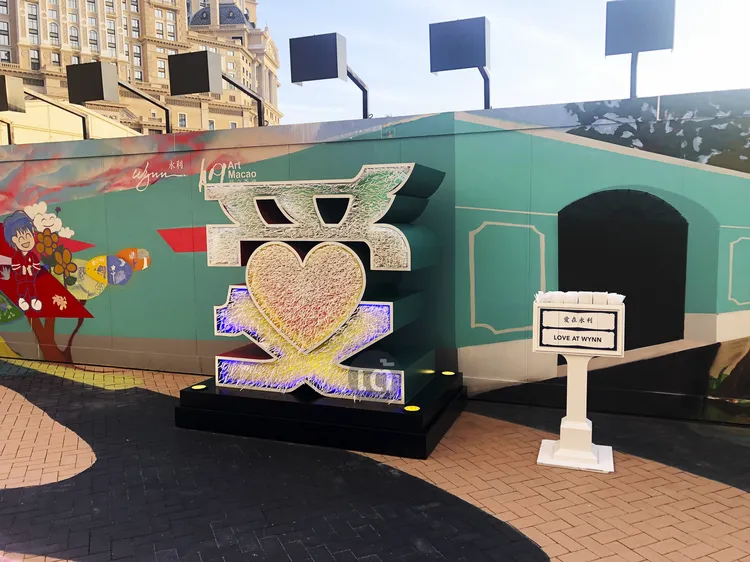
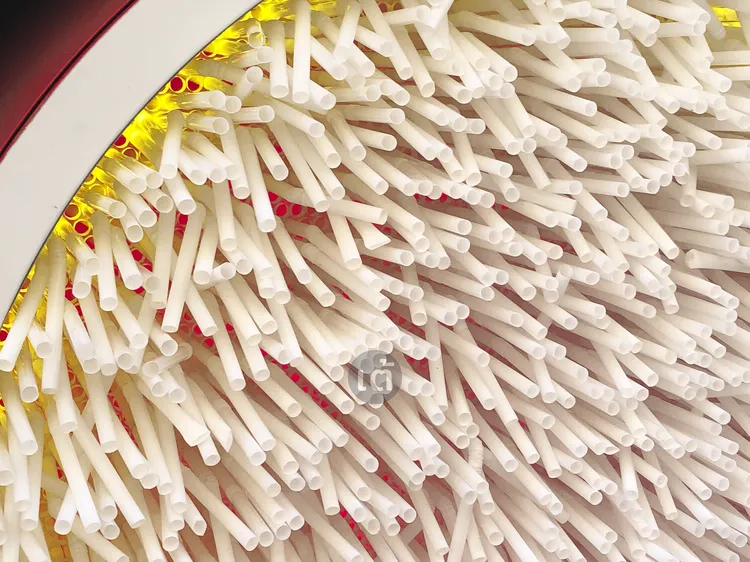
I couldn’t resist taking part in this interactive artwork about love.
A Garden Installation Almost 30 Metres Across
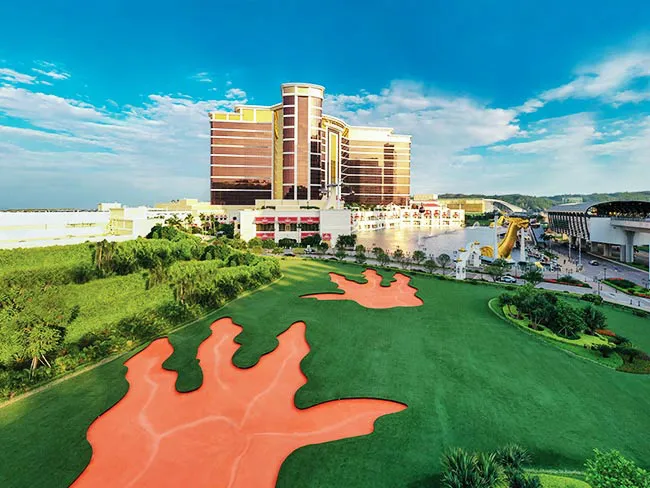
There was still another major artwork to explore outdoors: a monumental garden installation occupying an area of nearly 30 × 30 metres, one of the highlights of Art Macao. Let’s head outside for a closer look at ‘Dragon’s Footprint’ by architect Ma Yansong.
Story and Photos: Tae Art Man
