Read in English / 阅读语言  ไทย
 简体中文
 日本語
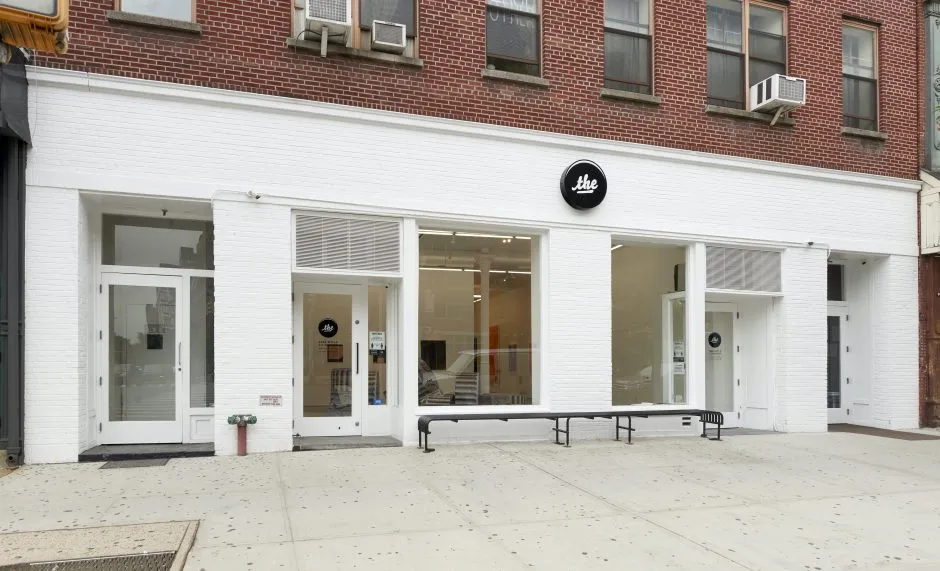
The Hole, a contemporary art gallery in New York City, and its founder, Kathy Grayson, were sued by two artists in July 2026. The artists allege that the gallery sold works they had consigned and collected payment from buyers but still owed them a combined US$49,975.50 (about 1.6 million baht).
Two artists say they were not paid in full
Daniel Um and Nastaran Shahbazi filed suit in New York State Supreme Court in New York County. They say they consigned works to The Hole for exhibition and sale between 2024 and 2026 and received partial payments. According to the complaint, the gallery still owed Um US$28,975 (about 927,000 baht) and Shahbazi US$21,000.50 (about 672,000 baht).
Urgent Matter, citing the complaint, reported that the artists allege the gallery pooled the proceeds from their sales with operating funds and used the money to pay rent, creditors and other artists. They are asking the court to award the unpaid amounts plus interest and to order an accounting of their sales. The plaintiffs’ account of how the money was used is an allegation.
amNewYork reported on July 17, 2026, that The Hole had not responded to its request for comment by publication.
How New York law protects consignment proceeds
Under Section 12.01 of New York’s Arts and Cultural Affairs Law, an art dealer who accepts an artist’s work for exhibition or sale under the conditions set out in the statute acts as the artist’s agent. The dealer holds the work and any proceeds from its sale in trust for the consignor. The dealer’s creditors cannot claim those assets.
That protection is central to the dispute, which concerns both how much the artists say they are owed and how the gallery handled the money after buyers paid.
Payment problems reported before the lawsuit
In April 2026, The Art Newspaper reported that The Hole had closed its Los Angeles space and faced disputes with landlords in New York. Artists interviewed by the publication said they repeatedly followed up on payments after their works had sold. One artist said a work was discounted without their approval and that they were paid in installments more than a year after the sale.
The Tribeca landlord sought more than US$120,000 (about 3.84 million baht) in allegedly unpaid rent and real estate taxes. The Bowery landlord had sought more than US$60,000 (about 1.92 million baht) before discontinuing the case without prejudice, leaving open the possibility of refiling, according to Urgent Matter.
Speaking to The Art Newspaper for its April report, Grayson said the business was recovering and that she had cut costs by attending fewer art fairs, reducing exhibition spending and trimming staff. Those comments preceded the two artists’ lawsuit.
Who bears the risk while artists wait to be paid?
Consignment gives artists access to a gallery’s network of buyers, while the gallery provides exhibition space and handles promotion and sales. Once a buyer has paid, a delay leaves the artist carrying the cost of making the work while waiting for the proceeds. The case raises a question about how transparency over sale dates, prices and payment deadlines can sustain trust between artists and galleries.
Story: Tae Art Man
